
WHO WE ARE
Licensed Clinical Psychologists working with Psychiatrists, Social Workers and other allied mental health professionals to provide a Multidisciplinary approach to diagnostic assessment, treatment and consultation.
Our staff serves on the faculty at Northwestern University Feinberg School of Medicine and three Professional schools of Psychology in Chicago.
We bring many years of expertise to several areas of clinical and forensic practice. Our forensic work often includes consultations in divorce or child custody hearings. We have a worked along side divorce attorneys and have years of experience with the courts acting as an expert witness.
We provide a no charge telephone consultation.
Dr. Alan M. Jaffe
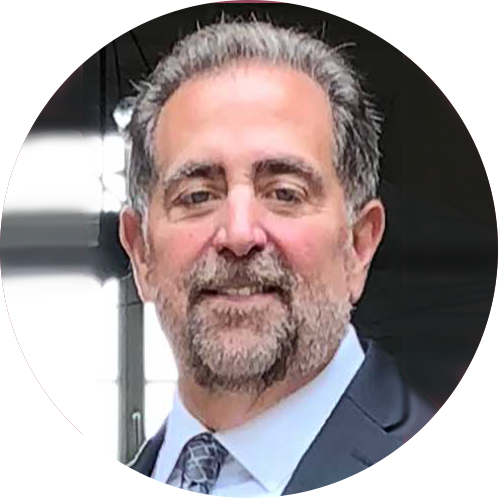
BRIEF BIOGRAPHY of DR. ALAN M. JAFFE
Dr. Alan M. Jaffe is a clinical and forensic psychologist licensed in Illinois and Wisconsin, with more than 45 years of practice serving individuals, couples, families, attorneys, and the courts. He has held a faculty appointment as Clinical Assistant Professor in the Department of Psychiatry and Behavioral Sciences at Northwestern University Feinberg School of Medicine since 1982.
Dr. Jaffe is a recognized authority on parental alienation, and his work has helped redefine how the field understands it. Drawing on decades of forensic practice, he reconceptualizes parental alienation as a distinct form of psychological child abuse rather than an ordinary feature of high-conflict divorce, and he developed the Jaffe Parental Alienation Abuse Tendencies/Tactics Profile (J-PAATTP), a clinical instrument that measures fourteen categories of alienating behavior. This work is presented in full in his book, Parental Alienation Abuse: Psychological Implications and Legal Challenges (Nova Science Publishers, 2026), available from Nova Science Publishers. His earlier peer-reviewed article, Denial of Ambivalence as a Hallmark of Parental Alienation (Cogent Psychology, 2017), established a clinical marker now used to identify alienation within custody evaluations.
Over his career, Dr. Jaffe has conducted more than 2,000 evaluations across a wide range of clinical and forensic matters, including child custody and parenting capacity, parental alienation, independent medical and psychological examinations, the assessment of emotional and psychological damages, competency and fitness for duty, post-traumatic stress, compulsive and addictive disorders, and the evaluation of both victims and perpetrators in sensitive cases. He is frequently retained as an expert witness and has testified in high-profile matters before the courts. He was also uniquely authorized to administer psychological testing to elected members of the Illinois General Assembly for a published research study, and as a licensed private pilot he has consulted to the aviation industry.
Dr. Jaffe’s peer-reviewed scholarship has appeared in Cogent Psychology, Journal of Child Sexual Abuse, Psychological Assessment, Psychological Reports, Psychotherapy: Theory, Research and Practice, the Journal of Forensic Psychology Practice, and the International Journal of Psychology and Counseling. He has contributed to American Bar Association publications, served as a consulting editor for the American Medical Association’s Complete Guide to Women’s Health, and his work on forensic custody evaluation was recognized in the University of La Verne Law Review, a distinction rarely accorded to a psychologist.
Alongside his forensic work, Dr. Jaffe maintains an active clinical practice treating adults, adolescents, children, and families, in person in Lake Geneva and by telehealth throughout Illinois and Wisconsin. As a professor and researcher as well as a practicing clinician, Dr. Jaffe is equally a scholar and a practitioner, conversant in the full range of psychological theory and practice. He draws on that breadth to tailor each course of treatment to the individual rather than to any single school of thought. He brings particular depth to high-conflict family situations, trauma, and the emotional aftermath of divorce and alienation, helping patients understand the roots of their difficulties and build durable strategies for change.